
All Salvatore Ferragamo Styles Italian Luxury House
Ferragamo’s Bag Line as an Investment: Secondhand Value Points to Weigh
In the current year, more and more shoppers regard a Ferragamo bag not merely as indulgence but as a budget entry within a private investment mix — a change from how acquiring a designer handbag has consistently been understood, caught between indulgence and calculated planning. Salvatore Ferragamo built its name on craftsmanship, Florentine leatherwork, and a house signature-element system that encompasses the Gancini clasp and Vara bow, both of which hold recognizable equity in the resale market. That storied history counts when a bag is resold years later, because buyers on resale platforms weigh provenance as much as condition. Here, we examine what actually drives resale value for Ferragamo bags, which styles generally retain their worth best, and how the brand stacks up against a few of its closest competitors when it comes to value decline patterns.
Unlike fast fashion, a Salvatore Ferragamo bag is meant to be used for a decade or longer, and the resale ecosystem reflects that expectation. You’ll routinely find Ferragamo listed beside Gucci, Prada, and Bottega Veneta on consignment shops and peer-to-peer marketplaces — a placement that reveals where the brand sits within collector hierarchies. That said, not every Ferragamo bag performs the same way once it re-enters the market, and understanding the variables distinguishes a smart purchase from a closet decoration.
The Factors Behind a Ferragamo Bag’s Resale Worth
Rarity, physical state, and sustained interest for a specific silhouette — these factors, rather than brand name by itself — govern resale value more often than not. A price surprisingly close to its original tag can be pushed by a restricted manufacturing batch, a distinctive hardware detail, or a association with a runway moment. Leather quality carries similar weight: Ferragamo’s calfskin and saffiano wear in distinct ways, with calfskin tending to develop a patina that collectors either love or avoid depending on care history. And added worth — occasionally representing eight to twelve percent of the final resale price per consignment sellers who follow completed sales — is typically tied to the presence of original boxes, dust bags, and certificate cards.
Most first-time buyers underestimate how luxury handbags much color choice matters, yet it shapes resale outcomes significantly. Take hardware condition, for instance — it’s closely scrutinized by buyers, since dulled or scuffed hardware can shave ten to twenty percent from an asking price even when the leather itself looks pristine. Meanwhile, black, cognac, and cream consistently beat trend-chasing seasonal colors on the resale market because they attract a larger audience of shoppers, and a structured top-handle bag in a classic shade will generally outlast in value a slouchy hobo in a loud motif that feels outdated within a couple of seasons.
Shoppers feel reassured that a bag is the real thing when a paper trail and receipts come from an official ferragamo retailer or the brand’s own boutiques, and this directly supports a higher resale ceiling. Pieces acquired through unofficial sellers or absent any proof of purchase typically fetch lower prices, even when they are genuine, largely because buyers price in the uncertainty.
Top Ferragamo Bags Worth Holding Onto
When people search for the best Ferragamo bags or ask which styles qualify as the top Ferragamo bags for resale, the conversation usually centers on a handful of recognizable families rather than one single “it” bag. Totes featuring Gancini hardware and structured satchel styles often rank as the most sought-after among secondhand buyers since that hardware detail alone is a readily spotted signature cue, even for shoppers with only casual fashion knowledge. Slouchier silhouettes fall short compared to structured shapes overall, since the latter photograph better for resale listings and show wear more gracefully.
Among younger buyers entering the secondhand market, compact and top-handle styles have also gained traction, due to a combination of greater seasonal versatility and lower entry prices, which in turn broadens the resale audience for future resale. Since niche-audience bags always face a smaller resale market than those with broad, cross-generational appeal, buyers hunting for the best Salvatore Ferragamo bags for investment purposes tend to prioritize versatility over novelty.
It is worth noting that limited-edition collaborations and reissued archival styles from Salvatore Ferragamo tend to beat standard seasonal releases in resale value, sometimes retaining seventy percent or more of original retail price within the first two to three years. Reflecting genuine collector demand rather than simple brand loyalty, that kind of retention is rare in the broader handbag market.
Ferragamo Bags Explained: Materials, Build Quality, and Resale Significance
Any thorough look at Ferragamo bags has to open with materials, given that construction quality is the most decisive factor of how a bag ages over five or ten years of ownership. The label has long used vegetable-tanned and chrome-tanned leathers sourced through Italian tanneries, and the finishing methods applied to Ferragamo leather goods are part of what justifies higher resale prices compared to mass-market brands. Prior to closing the deal, seasoned buyers examine stitching density, edge painting, and lining quality, and when properly maintained, Ferragamo bags generally score well on all three.
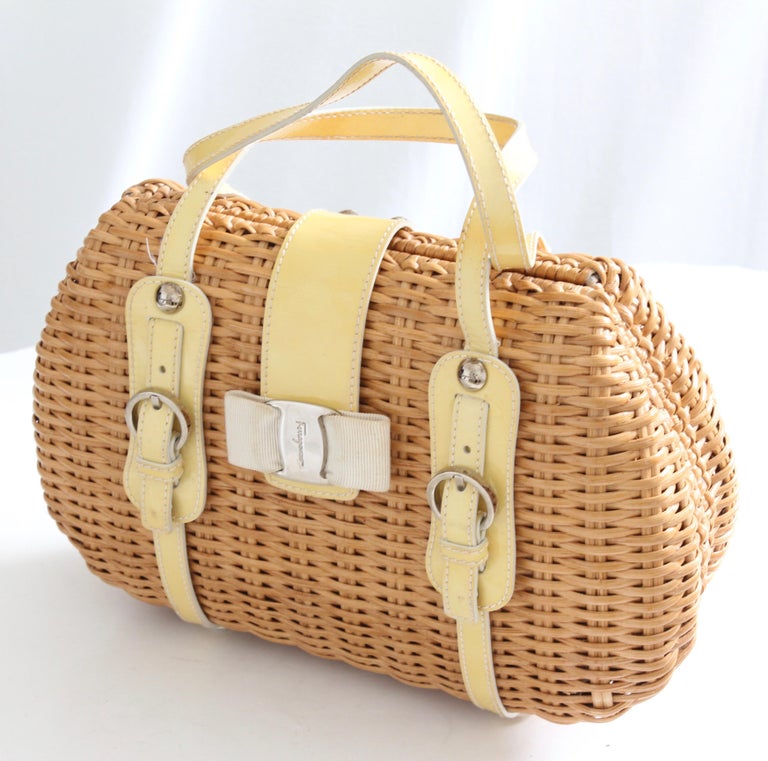
Structural integrity is a further factor that is frequently ignored by those selling for the first time. A piece that’s been crammed beyond capacity for years or stored without support can take on shape distortion that is tough to undo, and this alone can reduce its resale worth by a meaningful amount irrespective of how pristine the leather looks. Resale-market buyers are more and more discerning about insisting on interior photos, images of base wear, and hardware close-ups before finalizing a deal, which means sellers who store their bags properly and rotate use tend to see better returns once they decide to sell.
Because the brand’s popularity has made it a regular target for counterfeiters, genuineness remains a persistent theme throughout any ferragamo bags overview. Serial numbers, logo stamps, and even stitching regularity are among the details that verification experts examine, and bags purchased new or from verified sources carry a real advantage at resale, since buyers are willing to spend more for peace of mind.
Ferragamo in Context: A Resale Snapshot
Direct brand-to-brand comparisons are valuable for shoppers weighing where to invest, since resale outcomes shifts notably across the luxury bag space. The chart that follows reflects overall patterns in resale value retention noted by consignment platforms and secondhand marketplaces monitoring sales activity through late 2025 and into 2026, focused on classic, non-limited styles kept in solid condition.
| Maison | Standard Resale Value Held (2-3 years) | What Drives Value Most |
|---|---|---|
| Salvatore Ferragamo | between 45% and 60% | Italian leather craftsmanship, Gancini details, and structured forms |
| Gucci | 50% to 65% | GG canvas, brand-name recognition, and collaboration drops |
| Prada | 40%-55% | Saffiano leather durability, minimalist design longevity |
| Bottega Veneta | 55% up to 70% | The Intrecciato weave, low-key branding, and a devoted fanbase |
These ranges shift depending on the bag’s condition, its color, and whether it’s still in production or discontinued, but the trend holds reasonably steadily across resale platforms. Ferragamo sits comfortably in the middle of this group, which points to a brand with strong heritage recognition but a somewhat more modest resale buzz than the cult-favorite status of Bottega Veneta pieces. That middle position can in fact be an advantage for buyers, since it often means better entry prices with fairly solid value retention instead of the excessive markups attached to the names generating the most hype.
Useful Pointers for Choosing a Ferragamo Bag While Thinking About Future Resale
Anyone hoping to approach a Salvatore bag as a real investment should start with purchases made through an authorized ferragamo shop or the brand’s official channels, as verified provenance tends to drive better resale outcomes. Holding on to original packaging, dust bags, and receipts is not just sound practice; it is a direct contributor to down-the-line resale price, often tacking on measurable percentage points to a final sale. Opting for neutral leather colors over seasonal prints is yet another prudent decision that pays off years down the line, since classic tones simply have a broader buyer pool.
Consistent conditioning of the leather, attentive storage using the dust bag rather than plastic, and steering clear of overstuffing all lengthen the longevity of a bag and preserve its resale ceiling. Buyers also benefit from research which ferragamo bags have historically held value well before buying, since performance varies by style, and a little research upfront can prevent disappointment at resale time. For buyers comparing multiple options, reading through a full ferragamo bags overview from a credible source, checking completed listings on resale platforms, and comparing similar styles across a few brands gives a honest picture of what to expect financially.
All told, a Ferragamo handbag purchased thoughtfully, looked after properly, and chosen with resale patterns in mind can function as both a usable luxury item and a relatively stable store of value. It may not beat every rival brand on every measure, but its blend of heritage, craftsmanship, and dependable demand makes it a sound choice for anyone curating a thoughtful handbag collection in 2026.
Cevapla
Want to join the discussion?Feel free to contribute!